



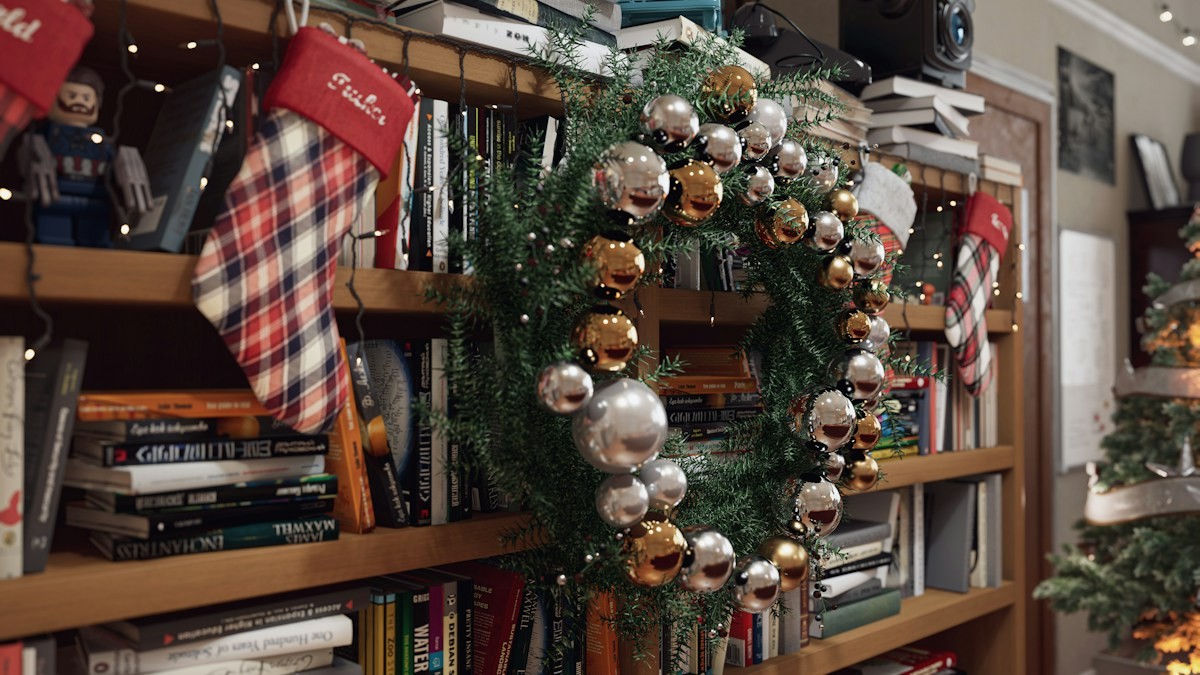
Outdoor holiday decorating represents one of the most visible expressions of seasonal joy. From magnificent entrance wreaths and lamppost bows to cascading mailbox swags and exterior grand staircase garlands, fabric ribbons provide the vibrant splash of color that brings exterior architecture to life. However, outdoor environments are notoriously unforgiving. Rain, sleet, heavy snow, freezing winds, and intense ultraviolet solar radiation subject exterior textiles to continuous physical degradation.
Every December, countless homeowners experience the disappointment of watching indoor velvet ribbons turn into soggy, limp rags within forty-eight hours of installation, while cheap red dyes bleed into white door paint and un-galvanized edge wires oxidize into unsightly streaks of orange rust. Creating enduring exterior decor requires a specialized understanding of textile polymer chemistry, moisture barrier backings, and heavy-duty mechanical mounting systems.
This comprehensive exterior design manual provides the definitive blueprint for outdoor weatherproof ribbon decor. You will learn how to identify true outdoor-rated synthetic textiles, understand UV chemical stabilization, discover rust-proof galvanized wire edge engineering, and master hurricane-grade zip-tie anchoring techniques that keep your holiday displays immaculate through the harshest winter blizzards.
Polymer Chemistry: UV Resistance and Waterproof Velvet Backings
Why solution-dyed synthetics and bonded membranes survive extreme elements.
Solution-Dyed Acrylic vs Piece-Dyed Polyester
Standard craft ribbons are ‘piece-dyed,’ meaning the yarn is woven first and dipped into a dye bath. Under exterior sunlight, UV photons easily shatter the superficial chemical dye bonds, causing vibrant reds to fade into dull pinks within three weeks.
True outdoor-rated ribbons utilize ‘solution-dyed’ acrylics (such as Sunbrella yarns) or polypropylene, where UV-stabilized color pigments are infused directly into the liquid polymer solution before the fibers are extruded. The color exists throughout the entire cellular core of the fiber, making it virtually impervious to solar bleaching.
The Engineering of Waterproof Outdoor Velvet
Traditional indoor velvet consists of cotton or rayon fibers woven onto an open fabric grid that absorbs rainwater like a sponge, immediately collapsing under water weight. By contrast, specialized outdoor holiday velvet features 100% synthetic polyester cut pile laminated onto a flexible, waterproof polyethylene or PVC backing.
This impermeable barrier prevents moisture from penetrating into the core of the ribbon. Rain droplets bead up and slide off the surface, allowing large outdoor bows to maintain their crisp, volumetric loft during freezing winter storms.
Wire Edge Engineering: Galvanized Steel vs Copper Rust Bleed
Preventing catastrophic orange oxidation stains on house trim and stone.
The Danger of Untreated Iron and Bare Copper Wire
In cheap craft ribbons, the internal selvage wire is manufactured from untreated low-carbon steel or raw copper wire. When exposed to rain and ambient humidity, water wicks through the thread stitching, initiating rapid electrolytic corrosion.
Within days, the dissolving iron oxidizes into bright orange rust (ferric oxide) that bleeds through the ribbon fabric and runs down the face of white front doors, stone pillars, and concrete porch steps, causing permanent chemical staining that requires industrial acid cleaning to remove.
Specifying Galvanized and Plastic-Coated Wire
For all exterior installations, decorators must strictly utilize ribbons manufactured with hot-dip galvanized (zinc-coated) steel wire or plastic-encapsulated wire. The sacrificial zinc coating prevents oxidation even if the outer fabric remains wet for weeks.
Furthermore, outdoor wire must feature a heavier gauge (typically 20 to 22 gauge) than indoor ribbon. This increased wire temper provides the mechanical spring force necessary to resist violent 30-to-40 mph wind gusts without flattening.
Mechanical Anchoring: Overcoming Cold Temperature Adhesive Failure
Why tape and suction cups fail and how to build storm-proof anchors.
The Inevitable Failure of Suction Cups and Adhesive Hooks
Novice decorators frequently rely on plastic suction cups or exterior self-adhesive command strips to hang bows on front windows and siding. When temperatures drop below freezing (32°F / 0°C), the plasticizers in adhesives freeze, crystalize, and lose all molecular tack, sending expensive bows crashing to the ground during winter gusts.
Adhesive tapes and glues are strictly prohibited in professional outdoor decorating; only mechanical fasteners provide guaranteed security.
UV-Rated Nylon Cable Ties and Floral Anchor Wires
The undisputed king of outdoor holiday mounting is the black UV-stabilized nylon cable tie (zip tie). Black cable ties incorporate carbon black additives that prevent UV embrittlement, maintaining high tensile strength across sub-zero winter temperatures.
Thread a heavy-duty cable tie directly through the rear binding wire of your bow, loop it around the structural iron rail of your porch, lamppost, or wreath frame, and cinch down tightly with pliers. For masonry or stone walls, install small stainless steel screw eyes in mortar joints to provide permanent, discreet tie-off anchors.
Indoor vs Professional Outdoor Ribbon Specification Matrix
| Specification / Attribute | Standard Indoor Ribbon | Professional Outdoor-Rated Ribbon | Exterior Performance Impact |
|---|---|---|---|
| Fiber Polymer | Cotton, Rayon, Silk, Standard Poly | Solution-dyed Acrylic, Polypropylene | Prevents solar fading & rot |
| Backing Construction | Open woven cloth (absorbent) | Heat-bonded PVC / Poly barrier | 100% Waterproof (Zero waterlogging) |
| Edge Wire Type | Bare steel or thin copper wire | Heavy Galvanized zinc-coated steel | Zero orange rust bleeding |
| Edge Wire Temper | Thin (26-28 Gauge) | Heavy Spring Temper (20-22 Gauge) | Resists 40mph wind flattening |
| Mounting Method | Floral wire, tape, suction cups | Black UV-rated nylon cable ties | Endures winter blizzards & ice |
Recommended Further Reading & Authoritative References
To deepen your practical mastery of these concepts, explore our comprehensive analyses on weatherproof deco mesh and burlap wreath construction and structural florist wire sizing and heavy-duty outdoor mounting. For official technical standards, peer-reviewed benchmarks, and industry guidelines, consult the Frontgate Outdoor Holiday Living: Weatherproof Decorating Guide.
Advanced Implementation Strategies and Field Best Practices for Outdoor Weatherproof Ribbon Decor
When implementing these methods in real-world scenarios, consistency and continuous observation serve as the primary determinants of long-term success. Experienced practitioners recognize that theoretical frameworks must be adjusted to account for subtle environmental variables, microclimate fluctuations, and individual behavioral variations. Establishing a disciplined monitoring log allows you to identify subtle trend shifts early, long before minor discrepancies escalate into systemic issues.
Furthermore, avoiding common beginner pitfalls requires a firm adherence to validated core principles rather than adopting transient shortcuts or unverified commercial gimmicks. Integrating periodic structural audits—whether assessing substrate integrity, water chemistry equilibrium, physical mechanical wear, or nutritional bioavailability—guarantees that every safeguard remains fully operational. By prioritizing holistic wellbeing and systematic execution, you establish an environment of enduring stability, resilience, and superior measurable outcomes.
Frequently Asked Questions
Can I spray regular indoor satin or velvet ribbon with waterproofing spray to use it outside?
Waterproofing spray helps shed light moisture, but it CANNOT prevent internal un-galvanized wires from rusting, nor can it stop cheap dyes from fading in sunlight. Always invest in true outdoor-rated ribbon for long-term exterior use.
How do I remove road salt and winter road grime from outdoor ribbons?
Gently hose down the ribbons with cold water from an outdoor garden hose, or wipe with a soft cloth dipped in lukewarm water and mild dish soap. Do not use harsh bleach or scrub brushes.
How should I store outdoor ribbons after the holiday season?
Ensure the ribbons are 100% dry before packing them away to prevent mildew growth. Stuff the loops with plastic grocery bags, coil the streamers loosely, and store them in an airtight plastic tote.
Why do my red outdoor ribbons turn purple or pink after one month?
Red dye molecules are particularly vulnerable to UV photolysis from the sun. To prevent color shift, always look for ribbons labeled ‘solution-dyed’ or ‘UV-inhibited’.