



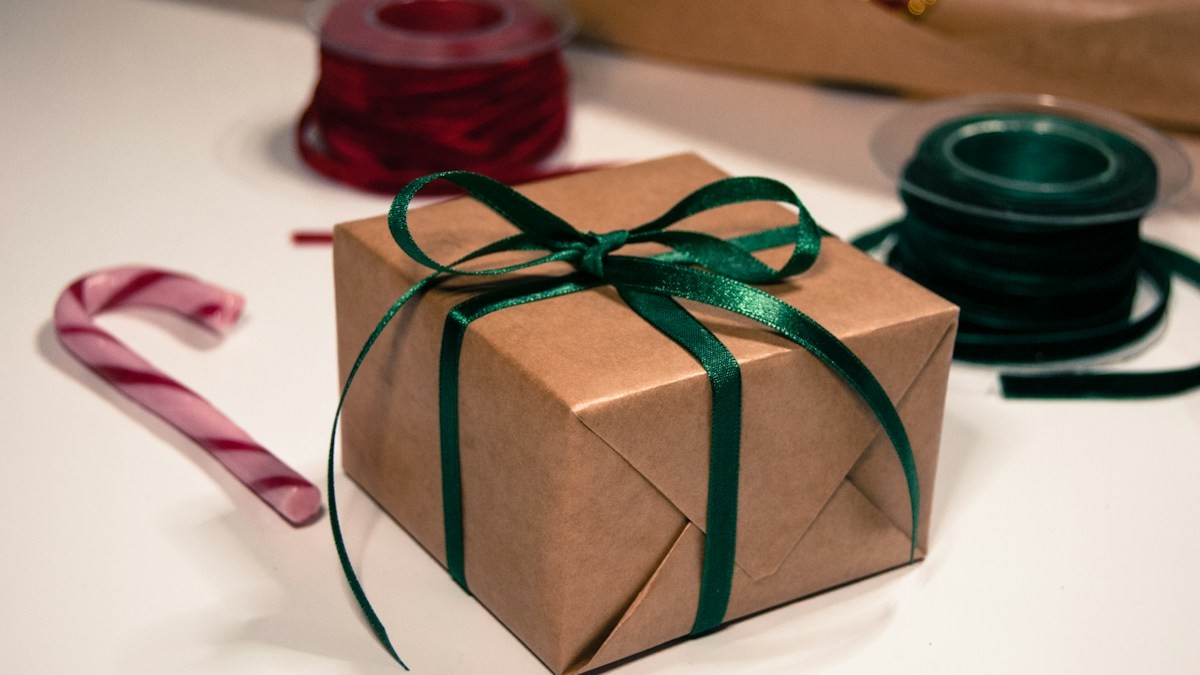
In every crafter’s workspace, holiday decorator’s bin, and floral designer’s studio, there exists a familiar byproduct of creative passion: the ribbon scrap pile. After completing grand wreaths, cascading tree toppers, and wrapped gift boxes, makers are inevitably left with dozens of leftover ribbon remnants measuring anywhere from six inches to two yards in length. Too short for major projects yet too gorgeous to discard, these luxurious textile remnants often languish forgotten in storage drawers.
Embracing a zero-scrap craft ethos transforms this colorful stash of remnants into high-value, functional, and delightful handmade accessories. Upcycling ribbon remnants not only eliminates waste and honors the textile manufacturing craft, but also yields wonderful boutique gift items—from sophisticated woven bookmarks and charming children’s hair clips to heavy-duty wristlet key fobs.
This practical upcycling masterclass provides step-by-step blueprints for upcycling scrap ribbon remnants. You will learn efficient remnant sorting and storage protocols, discover the specialized metal crimp hardware that provides professional retail finishes, and master three complete accessory projects that breathe vibrant new life into every last inch of fabric.
The Remnant Organization Protocol and Textile Preparation
Sorting, flattening, and cataloging fabric pieces for rapid crafting.
Width and Texture Categorization
The key to unlocking your scrap stash is disciplined organization. Empty your scrap box and sort remnants into three distinct width bins: narrow (1/4 to 3/8 inch), medium (5/8 to 7/8 inch), and wide (1.5 to 2.5 inches).
Separate stiff wired ribbons from soft un-wired textiles (such as satin, grosgrain, and jacquard). Store sorted scraps rolled neatly around wooden clothespins or arranged by color palette in clear glass mason jars, turning workshop clutter into inspiring studio decor.
Steam Flattening and Thermal Edge Restoration
Scraps pulled from previous projects are often wrinkled, kinked, or frayed. Restore them by setting a steam iron to the appropriate synthetic or cotton heat setting and gliding it over each ribbon strip, pulling out bends and restoring factory-fresh smoothness.
Trim any ragged ends squarely with dressmaking shears, then lightly pass the cut edge within two millimeters of a lighter flame. Synthetic fibers will melt into a clean microscopic bead that permanently halts fraying.
Project 1: Vintage Ribbon Bookmarks with Charms
Crafting elegant literary keepsakes using metal ribbon crimps.
Ribbon Clamp Hardware and Assembly
A professional ribbon bookmark requires zero sewing. Select an 8-inch to 10-inch strip of patterned jacquard, velvet, or ribbed grosgrain ribbon. The essential hardware component is a pair of metal ‘ribbon end clamps’ (crimp ends) matched exactly to the width of your ribbon.
Ribbon clamps feature internal sharp metal teeth that bite into the fabric. Insert the heat-sealed end of the ribbon into the clamp channel and squeeze it shut firmly using smooth flat-nose jewelry pliers. The clamp locks onto the fabric fibers with immense mechanical grip, creating an indestructible edge finish.
Attaching Jump Rings and Decorative Charms
Each ribbon clamp features an integrated top hanging loop. Using two pairs of pliers, twist open a 6mm brass or silver jump ring, slip it through the clamp loop, and slide on an antique metal charm—such as a bronze key, miniature tree of life, or gemstone bead.
Close the jump ring with a satisfying click. The finished bookmark slides between book pages while the weighted charms dangle elegantly over the book’s spine, making an exquisite personalized gift for book lovers.
Projects 2 & 3: Lined Alligator Clips and Webbing Key Fobs
Transforming narrow scraps into durable everyday accessories.
Lined Grosgrain Alligator Hair Clips
Bare metal alligator hair clips often pinch delicate scalps or slip out of fine hair. Upcycle narrow 3/8-inch grosgrain ribbon to fully line the clip. Cut a 4.5-inch strip of ribbon and heat-seal both ends.
Using hot glue or industrial fabric glue, adhere the ribbon starting inside the top prong of the clip, wrapping over the pinch tab, down the entire outer top surface, and wrapping neatly around the front tip into the inside jaw. This creates a soft, non-slip, designer boutique hair clip in under three minutes.
Reinforced Wristlet Key Fobs
Transform wider 1-inch or 1.5-inch jacquard and cotton ribbon remnants into durable wristlet key fobs. Because ribbon alone lacks the rigidity to withstand heavy daily keychain use, back the ribbon with heavy 1-inch cotton webbing or polypropylene strapping.
Cut a 10-inch length of webbing, lay your decorative ribbon centered along the top, and topstitch down both outer edges. Fold the strip in half to form a wrist loop, slide the raw ends into a 1-inch metal key fob clamp, and compress firmly with fob pliers. Attach a heavy split key ring for a stylish, indestructible daily accessory.
Ribbon Scrap Upcycling Project Guide
| Project Name | Minimum Scrap Length | Ideal Ribbon Type | Required Hardware | Time to Make |
|---|---|---|---|---|
| Charm Bookmark | 8″ – 10″ (20-25 cm) | 5/8″ to 1″ Velvet / Jacquard | Ribbon end clamps + Charms | 5 Minutes |
| Lined Hair Clip | 4.5″ (11.5 cm) | 3/8″ Grosgrain ribbon | Alligator pinch clips | 3 Minutes |
| Wristlet Key Fob | 10″ – 11″ (25-28 cm) | 1″ to 1.5″ Woven ribbon | 1″ Cotton webbing + Fob hardware | 8 Minutes |
| Woven Coaster Grid | 6 pieces @ 6″ each | 1.5″ Cotton / Canvas ribbon | Fusible fleece backing | 15 Minutes |
Recommended Further Reading & Authoritative References
To deepen your practical mastery of these concepts, explore our comprehensive analyses on handmade ribbon bookmarks with charms crafting tutorial and creative uses for leftover ribbon scraps and fabric remnants. For official technical standards, peer-reviewed benchmarks, and industry guidelines, consult the The Spruce Crafts: Creative Ways to Use Up Scrap Ribbon.
Advanced Implementation Strategies and Field Best Practices for Upcycling Scrap Ribbon Remnants
When implementing these methods in real-world scenarios, consistency and continuous observation serve as the primary determinants of long-term success. Experienced practitioners recognize that theoretical frameworks must be adjusted to account for subtle environmental variables, microclimate fluctuations, and individual behavioral variations. Establishing a disciplined monitoring log allows you to identify subtle trend shifts early, long before minor discrepancies escalate into systemic issues.
Furthermore, avoiding common beginner pitfalls requires a firm adherence to validated core principles rather than adopting transient shortcuts or unverified commercial gimmicks. Integrating periodic structural audits—whether assessing substrate integrity, water chemistry equilibrium, physical mechanical wear, or nutritional bioavailability—guarantees that every safeguard remains fully operational. By prioritizing holistic wellbeing and systematic execution, you establish an environment of enduring stability, resilience, and superior measurable outcomes.
Frequently Asked Questions
Can I upcycle wired ribbon scraps for bookmarks or hair clips?
Wired ribbon is not ideal for bookmarks or hair clips because the wire makes the ribbon stiff and can poke through over time. However, you can effortlessly slide the thin wire out of the selvage casing using pliers, leaving soft, pliable fabric ready for crafting!
What is the best glue for adhering ribbon to metal hair clips?
High-tack liquid fabric adhesive (such as Aleene’s Jewel-It or E6000) provides the most durable, flexible bond between fabric and slick metal. Standard low-temp hot glue often pops off smooth metal over time.
How do I make sure key fob hardware doesn’t pull off the webbing?
Ensure your webbing and ribbon stack fits snugly inside the clamp before crimping, and use proper key fob pliers that apply uniform pressure across the entire width of the metal clamp.
Can I wash ribbon bookmarks or key fobs if they get dirty?
Yes! Hand-wash gently in lukewarm soapy water, rinse thoroughly, and blot dry with a clean towel. Lay flat to air dry; do not machine wash as the metal hardware can snag clothing.