



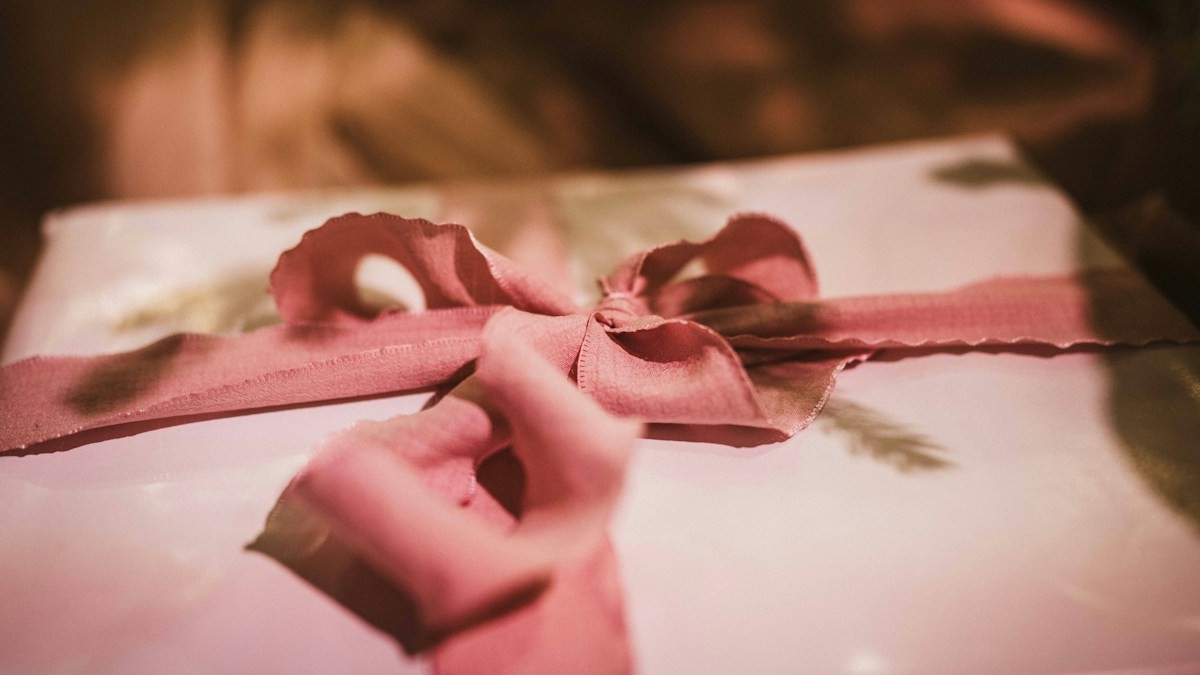
For passionate readers, bibliophiles, and journal enthusiasts, nothing complements the sacred pleasure of reading like a bespoke, tactile bookmark. While dog-earing pages damages delicate paper and generic cardboard inserts easily slip out and get lost, a handmade ribbon bookmark with antiqued charms lies completely flat between book leaves, protecting page bindings while draping elegant jeweled accents over the spine.
Creating custom charm bookmarks is one of the most rewarding, accessible, and high-margin weekend craft projects imaginable. Requiring no sewing machines, expensive soldering irons, or messy glues, a stunning library of bookmarks can be fabricated in a single afternoon using velvet, jacquard, or satin ribbons paired with basic jewelry findings and miniature needle-nose pliers.
In this comprehensive crafting tutorial, you will discover the exact techniques needed to produce durable, heirloom-quality handmade ribbon bookmarks with metal charms. We examine ribbon selection criteria, precision fray-sealing protocols, crimp clamp attachment mechanics, jump ring manipulation, and curated charm styling that book lovers will treasure for decades.
Essential Tools, Findings, and Material Curation
Investing in high-quality jewelry findings ensures your bookmarks never tarnish or snag on delicate antique book paper.
Ribbon Selection: Velvet vs. Jacquard vs. Grosgrain
Avoid paper-thin acetate ribbons, which crease permanently and lack tactile substance. The premier material for luxury bookmarks is single-faced or double-faced plush Swiss velvet ribbon (measuring 5/8 or 7/8 inches wide). Velvet grips book paper naturally, preventing the bookmark from sliding out when closed.
Woven bohemian jacquard ribbons and heavy polyester grosgrain also perform brilliantly, offering intricate geometric patterns with exceptional fray resistance.
Jewelry Findings: Ribbon Crimps and Heavy Jump Rings
Secure the ribbon ends using metal ribbon crimp ends (clamp ends) that feature sharp internal teeth. Select clamps in antique brass, bright silver, or rose gold to complement your ribbon palette.
Always choose heavy-duty 5mm or 6mm 18-gauge soldered or closed jump rings; thin open craft rings will pull apart under the tugging force of book handling.
Step-by-Step Fabrication Sequence
Follow this meticulous assembly protocol to ensure clean alignment and structural durability.
Step 1: Measuring and Thermal Fray Sealing
Cut your ribbon to length based on your target book format (13 inches is the universal standard for hardcover novels). Cut both ends perfectly square using micro-serrated textile scissors.
If using synthetic ribbons (polyester satin or grosgrain), swiftly pass the raw cut edge roughly 1/8 inch above the blue flame of a lighter for half a second. The heat instantly melts the fibers into a smooth, microscopic sealed bead that never frays. For natural silk or cotton velvet, apply a tiny swipe of fabric fray-check sealant.
Step 2: Clamping the Ribbon Crimp Ends
Center the sealed ribbon end inside the metal crimp clamp, ensuring the ribbon edge butts completely against the internal spine. Using smooth flat-nose pliers (wrapped with masking tape to prevent scratching the plated metal), gently compress one half of the clamp, then the other.
Finish with a firm, balanced squeeze across the entire clamp width. The sharp metal teeth bite into the fabric weave, creating a mechanical bond capable of holding over 20 pounds of pull force.
Step 3: Attaching Charms and Weighted Accents
Using two pairs of chain-nose pliers, open your jump ring with a sideways twisting motion (never pull a jump ring open outward, as this destroys its circular temper). Slide the open ring through the loop of your ribbon crimp and add your chosen charm.
Twist the jump ring closed until the cut ends click audibly together flush. Attach a flat charm (such as a feather, brass leaf, or vintage key) on the top spine end, and a faceted glass teardrop bead on the lower tail end for ergonomic weight.
Creative Styling Variations and Multi-Ribbon Designs
Elevate your designs beyond single ribbons to create sophisticated literary gifts.
The Academic Three-Ribbon Splitter
For researchers, theological scholars, and university students reading dense textbooks, a single bookmark is rarely enough. Crimp three distinct coordinating ribbons (such as burgundy, navy, and forest green 3/8-inch satin) into a single wide 1-inch crimp clamp at the top.
The single top anchor rests over the book’s headband, while the three individual ribbon tails navigate between chapters, index references, and footnotes simultaneously.
Incorporating Raw Gemstones and Literary Quotations
Attach wire-wrapped raw amethyst or quartz crystals to the hanging tails to create grounding meditation journals. Stamping miniature brass blank discs with author initials or literary quotes (such as ‘Once upon a time’ or ‘Chapter Next’) adds bespoke sentimental value.
Ribbon Bookmark Sizing and Hardware Compatibility
| Book Size / Format | Finished Ribbon Length | Ideal Ribbon Width | Ribbon Crimp End Size | Recommended Charm Weight |
|---|---|---|---|---|
| Mass Market Paperback | 9.5 – 10.0 Inches | 3/8 Inch (10 mm) | 10 mm Ribbon Clamp | Lightweight (1 – 2 grams) |
| Standard Trade Paperback | 11.0 – 12.0 Inches | 5/8 Inch (16 mm) | 16 mm Ribbon Clamp | Medium (3 – 5 grams) |
| Hardcover Novel (Standard) | 13.0 – 14.0 Inches | 7/8 Inch (22 mm) | 22 mm Ribbon Clamp | Medium-Heavy (5 – 8 grams) |
| Large Art Book / Family Bible | 16.0 – 18.0 Inches | 1.5 Inch (38 mm) | 38 mm Ribbon Clamp | Heavy Dual Charms (10 – 15 g) |
| Pocket Journal / A6 Notebook | 8.0 – 8.5 Inches | 1/4 Inch (6 mm) | 6 mm Ribbon Clamp | Petite Glass Bead (< 1 gram) |
Recommended Further Reading & Authoritative References
To deepen your understanding of these systems, review our companion analysis on Creative Uses for Ribbon Scraps and DIY Ribbon Roses and Fabric Flowers. For official technical specifications and industry standards, consult the Jewelry Making Daily Findings & Metalwork Standards.
Material Preservation & Professional Finishing Standards
Achieving polished, high-end presentation with Handmade Ribbon Bookmarks with Charms depends significantly on proper material handling and edge-finishing techniques. Delicate fabrics, satin weaves, and natural fiber twines require specialized preparation to prevent fraying and maintain structural crispness over time.
Always utilize clean, sharp fabric shears dedicated exclusively to textiles and ribbons. For synthetic ribbons like polyester satin or organza, gently heat-seal cut edges using a handheld ribbon sealer or flame pass. For natural cotton or linen fibers, apply a micro-droplet of clear fabric seam sealant to lock individual fibers in place without stiffening the drape.
Store your finished creations and surplus material rolls away from direct UV sunlight and fluctuating indoor humidity. Proper vertical spool storage prevents creasing, color fading, and wire distortion, ensuring every handcrafted bow looks freshly crafted season after season.
Frequently Asked Questions
Will ribbon bookmarks damage the spine of expensive antique books?
No. When constructed properly with flat ribbons under 1.5mm thickness, ribbon bookmarks distribute weight gently without distorting the spine or cracking the binding glue. Avoid bulky chunk beads directly inside the book block.
Can I wash a velvet ribbon bookmark if it gets soiled?
Hand-wash gently in lukewarm water with a drop of mild wool detergent, taking care not to submerge the metal charms. Lay flat on a clean dry towel and air-dry completely. Do not wring or machine-dry.
What is the best ribbon width for standard paperbacks?
A 5/8-inch (16mm) width is the undisputed sweet spot. It provides enough surface area to showcase gorgeous velvet or jacquard patterns while remaining light enough not to stretch paperback covers.
Where can I source unique charms for book lovers?
Look for lead-free and nickel-free zinc alloy charms online, or repurpose broken vintage jewelry, antique watch keys, and filigree pendants sourced from estate sales and flea markets.