



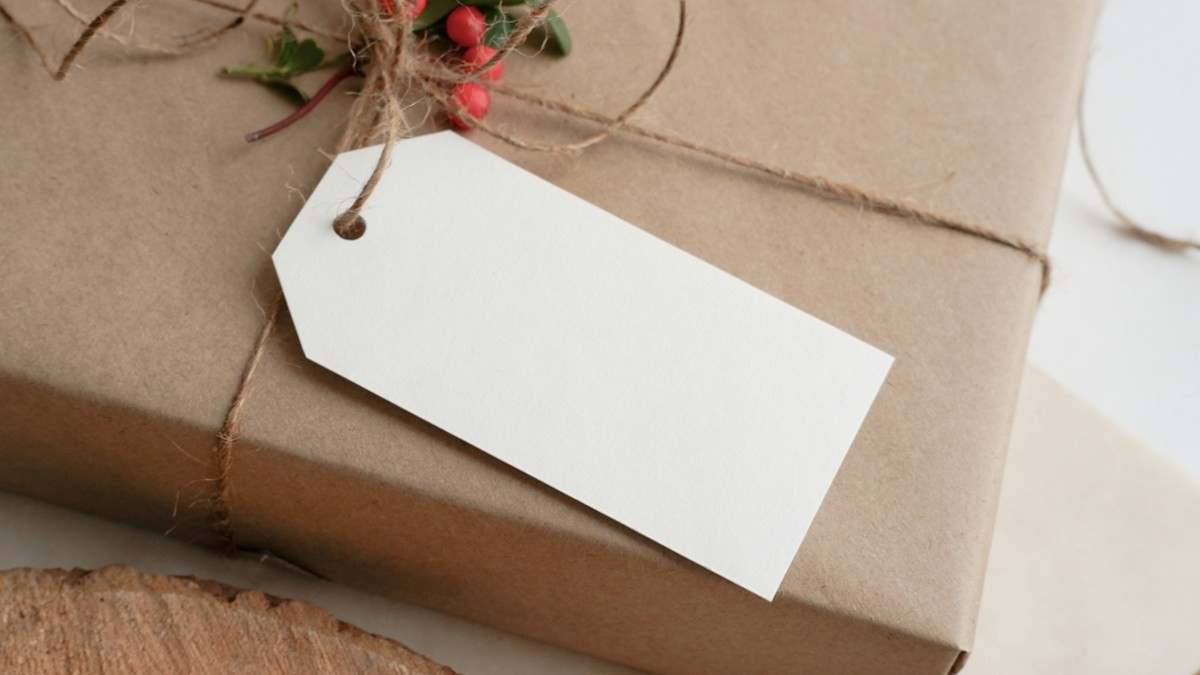
In an era dominated by high-gloss synthetic wrapping papers and foil-laminated gift bags that end up in landfills within hours, artisanal brown kraft paper has experienced a sophisticated design renaissance. When executed with thoughtful craftsmanship, kraft paper provides a warm, earthy, tactile neutral canvas that showcases organic materials, textile ribbons, and botanical flourishes far better than any commercial printed paper ever could.
The magic of elevating brown kraft paper lies in deliberate contrast and sensory depth. By juxtaposing the rough, unbleached texture of heavy-weight wood-pulp paper with the smooth luxury of frayed-edge silk chiffon, crisp French grosgrain, or polished jute twine, gift givers can create packages that feel deeply personal, tactile, and mindful. Adding pressed botanical elements introduces seasonal vitality and natural aroma to the unwrapping ritual.
In this comprehensive masterclass, we explore the precise techniques required to elevate brown kraft paper gifts using natural jute twine, carefully pressed botanicals, and layered ribbon architecture. You will discover proper paper-weight selection, botanical pressing methods that prevent mold or discoloration, and geometric wrapping formulas that guarantee crisp museum-quality corners on every parcel.
Foundation Materials: Paper Weights and Structural Scoring
The difference between a wrinkled package and an immaculate presentation comes down to paper thickness and deliberate scoring tools.
Selecting the Optimal Kraft Paper Weight (GSM)
Never use standard lightweight 40-50 GSM craft roll paper, which tears easily over box corners and buckles under ribbon tension. The ideal baseline for gift wrapping is unbleached 70 to 80 GSM virgin wood-pulp kraft paper.
This weight provides high puncture resistance while maintaining sufficient flexibility to produce razor-sharp creased edges. For heavy or sharp-edged containers, upgrade to 90 GSM natural ribbed kraft paper for added structural stability.
The Bone Folder Creasing Technique
Professional packaging designers never use their fingertips to crease heavy kraft paper, as skin oils can stain unvarnished paper and fingers produce uneven folds. Always utilize a polished natural bone folder or Teflon burnishing tool.
Glide the smooth edge of the bone folder along every fold line to create knife-sharp, crisp 90-degree creases that hold their shape before any adhesive tape or ribbon is applied.
Preparing and Preserving Botanicals for Packaging
Fresh flora will wilt and release moisture that stains kraft paper; proper drying protocols protect both the plant and the presentation.
Micro-Pressing Flat Leaves and Wildflowers
Delicate botanical accents such as maidenhair fern fronds, cosmos, pansies, and Japanese maple leaves must be thoroughly dehydrated before application. Place freshly harvested flora between sheets of acid-free blotting paper inside a heavy wooden flower press or telephone directory for 10 to 14 days.
For accelerated gifting timelines, a micro-vented ceramic microwave press extracts cell water in 90 seconds while locking in vibrant chlorophyll and anthocyanin pigments.
Glycerin Preservation for Flexible Woody Sprigs
Evergreen sprigs, olive branches, and eucalyptus stems tend to become brittle and crumble when simply air-dried. Submerge the cut stems in a warm solution of one part vegetable glycerin to two parts distilled water for 7 days.
The plant absorbs the glycerin into its vascular system, replacing evaporating sap. This leaves foliage permanently soft, supple, and shatter-resistant against ribbon wrapping pressure.
Layered Ribbon and Twine Architecture
Creating visual depth requires stacking complementary materials with varied widths, tactile grains, and tension profiles.
The Wide Base Ribbon Band
Anchor the visual foundation of your gift by applying a broad 1.5 to 2-inch band of neutral textile around the package. Raw-edge frayed linen ribbon in oatmeal, olive, or charcoal grey provides an exquisite organic backdrop.
Secure the band on the underside with archival double-sided paper tape, ensuring straight tension across the top face without compressing the underlying box.
Cross-Hatch Jute Twine Layering
Layer 2-ply polished jute or unbleached hemp twine centered directly over the fabric ribbon band. Wind the twine around the package twice horizontally and twice vertically to form a grid, pulling moderate tension.
Tie a secure square knot at the intersection rather than a sloppy bow, leaving two 3-inch tails for securing the botanical sprigs.
Botanical Tuck-In and Sealing Wax Finish
Slip your preserved fern frond or eucalyptus branch beneath the crossed twine cords at a dynamic 45-degree angle. Position the botanical so its stem base aligns directly over the twine knot.
To finish, pour a coin-sized puddle of flexible sealing wax (in antique bronze, forest green, or pearl white) directly over the knot and stem, stamping it with an initial or botanical brass seal.
Botanical and Ribbon Pairing Guide for Kraft Paper
| Botanical Accent | Recommended Ribbon Material | Twine Weight / Type | Best Box Shape / Size | Drying & Preservation Method |
|---|---|---|---|---|
| Pressed Fern Fronds (Sword Fern) | Raw Edge Silk Chiffon (1.5 in) | 2-Ply Polished Jute | Flat Rectangular Books/Boxes | Heavy Book Pressing (2 Weeks) |
| Eucalyptus Sprigs (Silver Dollar) | Double-Faced Sage Satin (1 in) | Waxed Cotton Cord (1mm) | Cube Boxes & Perfume Packaging | Glycerin Solution Preservation |
| Dried Orange Slices & Cinnamon | Woven Natural Linen (1.5 in) | 3-Ply Rustic Brown Twine | Bulky Holiday Care Packages | Low-Temp Dehydrator (135°F, 6 Hours) |
| Lavender Stems & Baby’s Breath | Cream Grosgrain (5/8 in) | Unbleached Cotton Baker’s Twine | Small Jewelry & Cosmetic Gift Boxes | Dark Attic Air-Drying (10 Days) |
| Pressed Pansies & Violas | Translucent Organza (1 in) | Fine Metallic Gold Thread | Rigid Presentation Envelopes | Microwave Flower Press (2 Minutes) |
Recommended Further Reading & Authoritative References
To deepen your understanding of these systems, review our companion analysis on Japanese Gift Wrapping Techniques and Creative Uses for Leftover Ribbon Scraps. For official technical specifications and industry standards, consult the Royal Horticultural Society Botanical Preservation Guides.
Material Preservation & Professional Finishing Standards
Achieving polished, high-end presentation with Elevating Brown Kraft Paper Gifts depends significantly on proper material handling and edge-finishing techniques. Delicate fabrics, satin weaves, and natural fiber twines require specialized preparation to prevent fraying and maintain structural crispness over time.
Always utilize clean, sharp fabric shears dedicated exclusively to textiles and ribbons. For synthetic ribbons like polyester satin or organza, gently heat-seal cut edges using a handheld ribbon sealer or flame pass. For natural cotton or linen fibers, apply a micro-droplet of clear fabric seam sealant to lock individual fibers in place without stiffening the drape.
Store your finished creations and surplus material rolls away from direct UV sunlight and fluctuating indoor humidity. Proper vertical spool storage prevents creasing, color fading, and wire distortion, ensuring every handcrafted bow looks freshly crafted season after season.
Frequently Asked Questions
Can I recycle kraft paper wrapped with twine and wax?
Yes! Uncoated, non-laminated brown kraft paper and natural jute twine are 100% biodegradable and curb-side recyclable. The small wax seal and dried botanical can be easily peeled off before placing the paper in paper recycling bins.
How do I prevent pressed flowers from breaking during transit?
Secure delicate pressed petals to the kraft paper surface with tiny pin-dots of matte decoupage medium or acid-free glue stick before tying the twine over them. This prevents petals from lifting or catching on wrapping paper during shipping.
What is the best way to wrap irregularly shaped gifts in kraft paper?
For round, cylindrical, or soft items, construct a custom kraft paper gift sack. Fold the paper into a tube, seal the seam with double-sided tape, accordion-fold the bottom into a diamond base, insert the item, and fold over the top flap with a punch hole for ribbon threading.
Which botanical scents last longest on packaged gifts?
Dried lavender sprigs, whole cinnamon quills, star anise pods, and dried bay laurel leaves retain their fragrant natural essential oils for months without degrading the paper surface.