



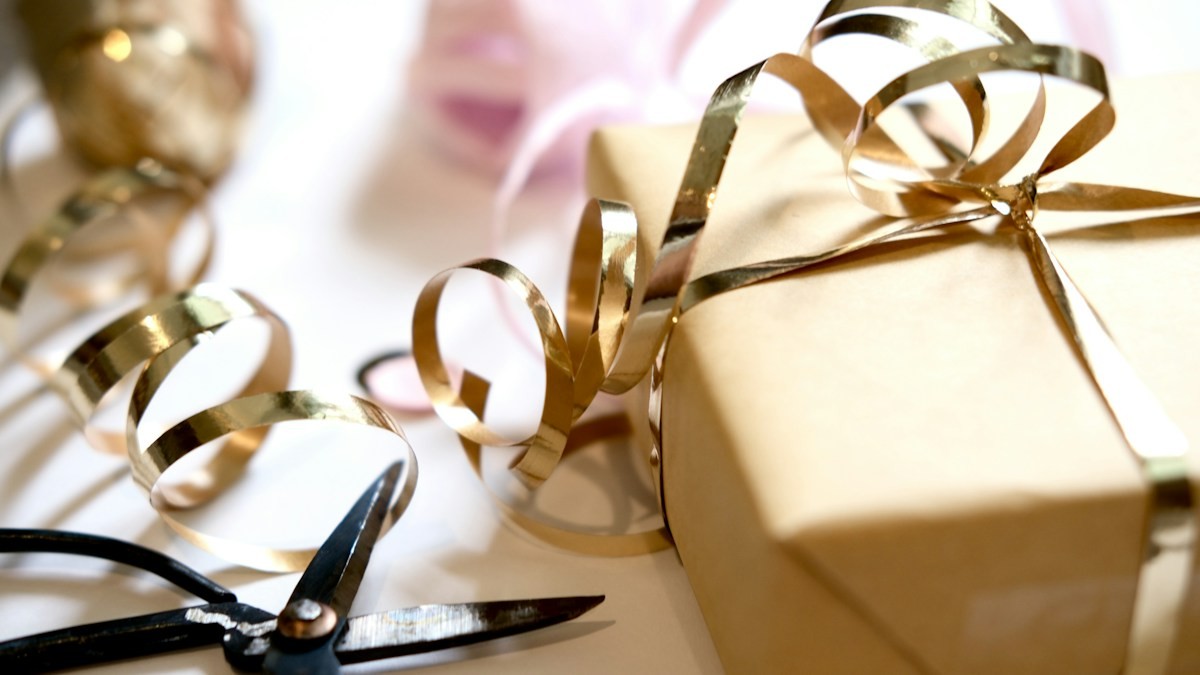
In Western gift-giving culture, wrapping paper is frequently treated as an afterthought—a disposable, colorful barrier meant to be violently ripped open and discarded into the recycling bin within five seconds. In Japan, however, the art of wrapping (*Tsutsumi*) is revered as a profound cultural ritual. The manner in which an object is presented is considered just as important and sacred as the gift itself. It communicates mindfulness, deep respect (*Keigo*), and the heartfelt relationship between giver and receiver.
Japanese wrapping traditions are divided into two magnificent disciplines: the razor-sharp geometric precision of paper folding (such as the legendary department store diagonal wrapping technique that requires zero visible tape), and the fluid, eco-friendly textile artistry of *Furoshiki*—wrapping gifts in reusable square cotton or silk cloths tied with ceremonial knots.
In this comprehensive aesthetic guide, we explore Japanese gift wrapping techniques. You will learn the geometry of the seamless diagonal paper wrap, master foundational Furoshiki knotting styles that require zero adhesive or scissors, and discover how to incorporate minimalist natural accents—such as dried cedar sprigs and handmade Mizuhiki cords—to elevate your gift presentation into high art.
The Philosophy of Tsutsumi: Mindfulness and Geometry
Tsutsumi originates from the Japanese word meaning ‘to embrace’ or ‘to protect with care’.
The Clean Lines of Seamless Wrapping
Unlike Western wrapping where bulky paper is folded haphazardly over box ends with messy tape crisscrossing the seams, Japanese diagonal paper wrapping (*Naname Tsutsumi*) utilizes geometric angles.
The box is placed at a precise diagonal angle on the paper sheet. With four swift, rhythmic folds, the paper rolls around the box, creating crisp 45-degree corner pleats with all raw edges tucked neatly inside. Only a single hidden piece of tape is required on the final corner fold.
The Etiquette of Left-over-Right Folding
Cultural nuance matters deeply in Japanese presentation. When folding the final pleats on a celebratory gift, always fold the left side of the paper over the right side.
In Japanese tradition, folding the right side over the left is reserved strictly for funerary offerings. Observing this subtle distinction demonstrates cultural fluency and meticulous attention to detail.
The Art of Furoshiki: Zero-Waste Fabric Wrapping
Originating over 1,200 years ago during the Nara period, Furoshiki transforms simple square fabric cloths into reusable packaging.
Mastering the Essential Knot: The *Ma-musubi*
Every Furoshiki wrapping style relies on the *Ma-musubi* (true square knot). Unlike a common knot that jams when pulled, a properly tied Ma-musubi lies flat, holds heavy tension securely, and unties instantly with a single gentle pull of one fabric corner.
To tie it: cross right corner over left corner and pull through. Then cross left corner over right corner and pull through. The knot wings should lie horizontally across the gift.
Technique 1: Otsukai Tsutsumi (The Basic Carry Wrap)
Lay a 70x70cm square cotton Furoshiki cloth flat in a diamond orientation. Place your rectangular gift box in the center. Fold the bottom corner up over the box, tucking excess fabric underneath.
Pull the top corner down over the box. Take the remaining left and right corners, bring them together over the center, and tie a firm, symmetrical Ma-musubi knot. Fluff the fabric corners into elegant petal-like wings.
Technique 2: Bin Tsutsumi (The Double-Bottle Wrap)
Wrapping two bottles of wine or artisanal sake requires zero boxes. Place two bottles upright in the center of the cloth spaced 4 inches apart. Lay them down toward opposite corners and roll the cloth tightly around both bottles.
Stand the rolled bottles upright together and tie the remaining cloth tails around the bottle necks into a secure carrying handle.
Minimalist Accents: Mizuhiki Cords and Pressed Botanicals
Complete your presentation with restrained natural botanicals rather than synthetic glitter bows.
The Symbolism of Mizuhiki Cord Knots
Mizuhiki is a traditional decorative art utilizing stiff, rice-paper cord stiffened with seaweed glue. Cords are tied into auspicious knot formations: the *Musubikiri* (a knot that cannot be untied, symbolizing unbreakable bonds for weddings) and the *Choumusubi* (a bow that can be untied and retied, symbolizing repeatable blessings like birthdays and births).
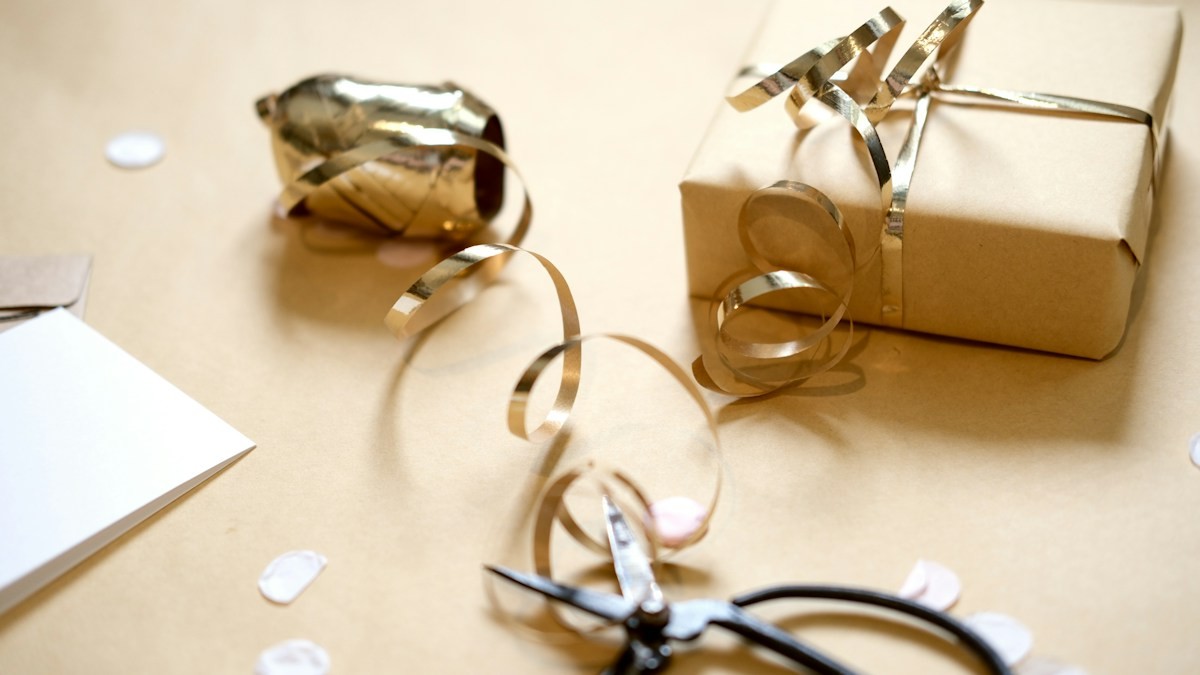
Tucking a simple three-strand gold-and-white Mizuhiki cord across kraft paper adds instantaneous imperial elegance.
Seasonal Botanical Signatures
Incorporate a single seasonal botanical under the ribbon or knot: a slender sprig of fresh Hinoki cypress in winter, a pressed maple leaf (*Momiji*) in autumn, or a dried cherry blossom branch in spring.
This grounds your gift in the natural world, honoring the transient beauty of the current season (*Mono no aware*).
Japanese Gift Wrapping Styles & Aesthetic Principles
| Wrapping Discipline | Primary Material | Fastener Mechanism | Aesthetic Philosophy | Ideal Gift Shape |
|---|---|---|---|---|
| Tsutsumi (Diagonal Fold) | Fine Japanese Washi or Kraft Paper | Zero visible tape (Single hidden seal) | Geometric precision & clean seamless lines | Rectangular books, luxury apparel boxes |
| Furoshiki (Otsukai Tsutsumi) | Square cotton or silk fabric cloth | Traditional square knot (*Ma-musubi*) | Zero-waste sustainability & reusable elegance | Boxed gifts, ceramic teaware, bento boxes |
| Furoshiki (Bin Tsutsumi) | Square furoshiki cloth (70x70cm) | Intertwined neck knot | Graceful draping around cylindrical forms | Wine bottles, olive oil, ceramic vases |
| Mizuhiki Cord Art | Stiff paper twine cord (*Mizuhiki*) | Ceremonial tied knot knots | Symbolic auspicious blessings & human connection | Formal greeting envelopes, high-end gift sets |
| Pleated Kimono Wrap | Dual-sided contrasting washi paper | Concealed double-sided tape | Dynamic layered diagonal textile folds | Flat rectangular presentation boxes |
Recommended Further Reading & Authoritative References
To deepen your understanding of these systems, review our companion analysis on Pleated Fabric Gift Wrapping (Furoshiki) and Elevating Brown Kraft Paper Gifts. For official technical specifications and industry standards, consult the Japan National Tourism Organization Furoshiki Culture.
Material Preservation & Professional Finishing Standards
Achieving polished, high-end presentation with Japanese Gift Wrapping Techniques depends significantly on proper material handling and edge-finishing techniques. Delicate fabrics, satin weaves, and natural fiber twines require specialized preparation to prevent fraying and maintain structural crispness over time.
Always utilize clean, sharp fabric shears dedicated exclusively to textiles and ribbons. For synthetic ribbons like polyester satin or organza, gently heat-seal cut edges using a handheld ribbon sealer or flame pass. For natural cotton or linen fibers, apply a micro-droplet of clear fabric seam sealant to lock individual fibers in place without stiffening the drape.
Store your finished creations and surplus material rolls away from direct UV sunlight and fluctuating indoor humidity. Proper vertical spool storage prevents creasing, color fading, and wire distortion, ensuring every handcrafted bow looks freshly crafted season after season.
Frequently Asked Questions
What size Furoshiki cloth should I choose for standard gifts?
A 50x50cm (small) cloth is perfect for books, mugs, and jewelry boxes. A 70x70cm (medium) cloth is the universal workhorse for clothing, wine bottles, and standard gift boxes. A 90x90cm (large) cloth is ideal for heavy blankets or large hampers.
What fabric material is best for Furoshiki wrapping?
Medium-weight 100% cotton (such as cotton chirimen or broadcloth) is the most forgiving material for beginners because it has natural texture that grips knots securely without slipping. Silk and polyester satin are beautiful but require tighter knotting.
Can I use Japanese diagonal paper wrapping on square boxes?
Yes! The diagonal method works flawlessly on square and rectangular boxes. Simply ensure that the diagonal measurement of your paper sheet is roughly three times the height plus width of the box.
How can I make my own Furoshiki cloth at home?
Simply purchase half a yard of quality cotton fabric with a Japanese print (like seigaiha waves or cherry blossoms), cut a perfect square, and sew a clean 1/4-inch rolled hem around all four edges with your sewing machine.